
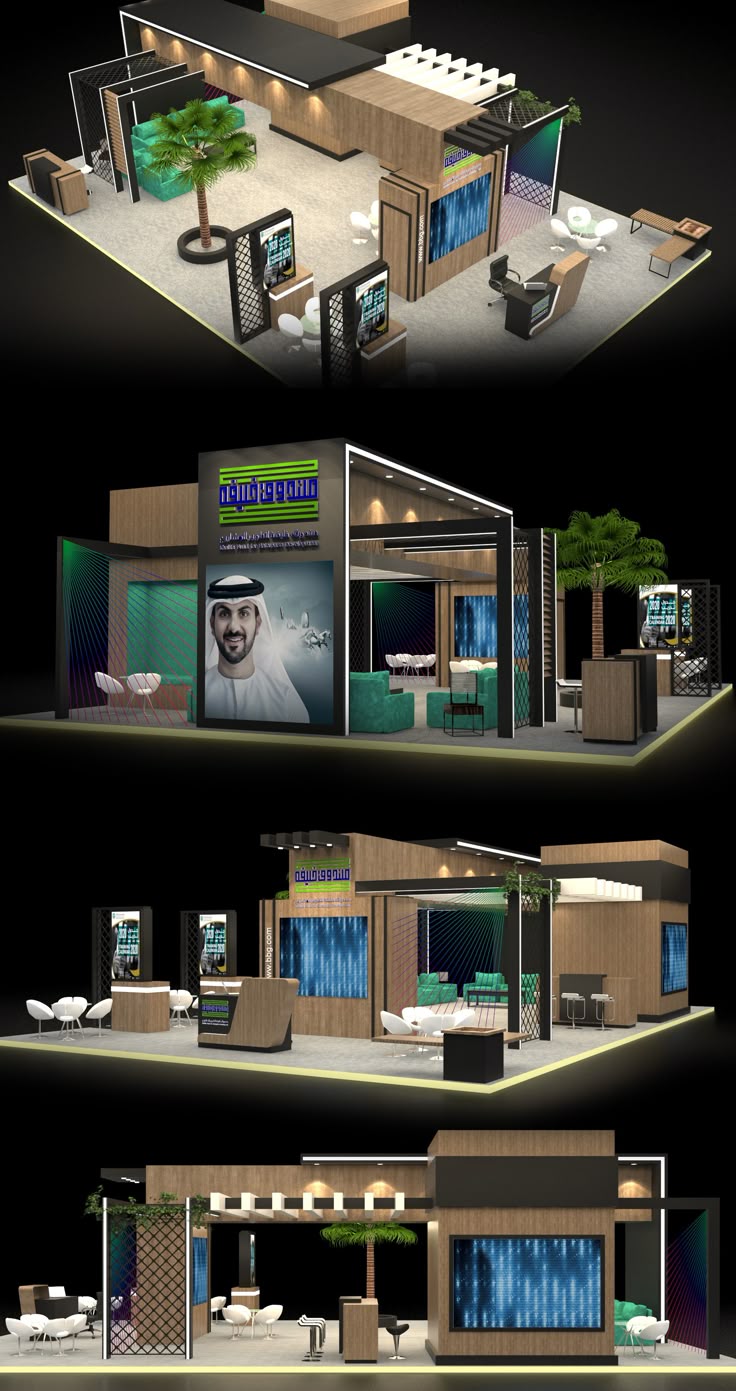
An excellent booth can play an indispensable role in the branding of an organisation when it attends a trade fair event. Design, lighting, graphics, and layout are some aspects that make up the booth; however, the materials used for booth fabrication are also very critical in this regard.
The choice of appropriate materials will dictate the strength, look, durability, ease of handling, and cost of the booth. The fabricators usually make their choices based on a number of factors like design, venue, installation needs, brand guidelines, etc.
Be it wood, metals, acrylic, fabric, or glass, there are different types of booth materials which play a vital part in the process of exhibition booth fabrication.
Below is the list of 10 essential materials used in exhibition booth fabrication and most importantly majority of these are eco-friendly materials .
1. Plywood
Plywood is among the most common materials for wooden booths. This material consists of several layers of veneers that are bonded together, thus ensuring good strength and stability.
It is possible to cut, drill, paint, laminate and finish plywood depending on the requirements of booth design. Plywood is used for booth walls, counters, storage sections, platforms, shelves and display units.
Why is plywood used for exhibition booth fabrication:
- Strong and lightweight
- Easy to cut and customise
- Possible to paint and laminate
- Ensures a smooth surface for branding
- Good for custom booth designs
Thus, for wooden booths that need a solid structure with customised finishing, plywood is usually a good option.
2. MDF
A second widely used type of material for exhibition booth fabrication is medium-density fibreboard, also referred to as MDF. It is produced through pressing wood fibres with resins at high pressure.
Unlike natural wood, MDF has an even surface. Therefore, MDF is particularly suitable for painting, making decorative elements, carving, and cutting exact shapes.
The uses of MDF include: construction of modular exhibition stand, reception counters, wall panels, construction of signs, shelves and decoration of booths.
However, MDF is relatively heavy compared to some other booth materials; hence, its transportation and installation should be considered during fabrication.
3. Aluminium
Aluminium is frequently used in cases when there is a need for a lightweight yet strong aluminium booth structure. Being relatively lightweight, aluminium makes the process of transportation and installation much easier.
Profiles made from aluminium can be used to construct walls, displays, counters, hanging structures and partitions.
Advantages of aluminium booth include:
- Light structure
- High structural strength
- Easy assembly
- Reusable
- Modular booth system
- Resistance to corrosion
Aluminium is particularly suitable for exhibitors who participate in several exhibitions and need a reusable structure for their booth.
4. Acrylic
Acrylics are materials that can provide exhibition booths with sleekness and modernity. This material is available in translucent, frosted, opaque, and transparent forms.
This material is commonly used to manufacture illuminated logos, product display cases, shelves, signboards, partitions, and decorations.
Another way of using acrylics is by mixing them with LED lights to create attractive brand displays. Translucent acrylics will be beneficial when making product displays as they are lightweight and provide visibility.
5. Glass
Glass can provide a premium look for an exhibition booth. It is mostly used for making meeting room partitions, exhibition display cabinets, counters, shelves, and product showcases.
Fabricators may utilize various types of glass depending on the application. For instance, they can use tempered glass where extra safety and strength are needed.
This material will be suitable for brands looking to make booths that are elegant, sleek, and professional.
But then again, glass needs special handling during transportation and installation of the booth.
6. Fabric
Graphic prints on fabric material have become widely popular in modern booth design. Fabrics including polyester can be printed in high resolution and contain graphics, photos, patterns and messages related to brands.
The fabric material can be stretched on frames and used to make large seamless graphic walls. It can also be used for making banners, hanging signs, backdrops, and decorative elements.
Advantages of graphic prints on fabric material:
- Lightweight
- Easy to transport
- Different sizes
- Suitable for printing
- Folding for storing
- Reusable booth systems
Graphic prints on fabric material can help in creating an attractive booth without putting much structural burden.
7. PVC and Foam Boards
Both foam and PVC boards are widely used in lightweight signage and graphic displays. These boards are easy to cut and print, laminate, or vinyl-cover.
Some applications of PVC and foam boards:
- Branding Signage
- Directional Signage
- Information Panels
- Promotional Displays
- Wall Decor
- Smaller Exhibition Display Structures
Foam board is especially suitable for temporary displays due to its lightweight.
On the other hand, PVC boards are more durable in case of repeated handling.
8. Vinyl and Laminates
Not all booths require a visually finished booth structure to be used. Vinyl and laminates can help turn standard materials into a branded and decorative surface.
The vinyl graphics can be attached to walls, counters, windows, floors, and other surfaces. They can exhibition display logos, advertising slogans, product descriptions, patterns, and images.
Laminates are usually attached to plywood, MDF, and other materials to provide wood texture, matte, gloss, and solid colored finishes.
These materials offer great possibilities in terms of matching the booth to the company’s brand.
9. Steel
Steel is usually chosen when the structure of the exhibition requires more strength and stability. Being heavier than aluminium, steel allows building bigger structures and holding heavier parts.
It can be used to make structural frames, platforms, suspensions, heavy display systems, and other constructions which require load-bearing properties.
Steel parts can be combined with other materials. For instance, a steel structure will hold the construction and plywood, acrylic, fabric, or glass will make the visually finished booth.
The main problem is the weight. It should be considered in terms of transportation, assembly time, regulations and requirements of the venue.
10. LED and Lighting Materials
Lighting plays a significant role in booth design in the contemporary era. Lighting is not a typical building material, but the LED system and its related elements are very significant for current booth designs.
LED strips, spotlights, backlit panels, light boxes, lighted signage, and hanging light systems can play a great role in attracting attention to different parts of the booth.
Lighting can help to attract attention to:
- Logo of the company
- Exhibited products
- Reception counters
- Demos
- Meeting room
- Promotional visuals
LED lighting systems have gained popularity due to their effective illumination and reduced power consumption in comparison with traditional lighting systems.
Why Is Material Choice Important for Booth Fabrication?
The material choice for exhibition booth fabrication affects many aspects of the booth. It affects transportation and installation time, durability and usability, and visitor experience.
For instance, aluminium and fabric can be the appropriate booth materials for a lightweight and modular exhibition stand, while plywood, acrylic, glass, and metal can fit for a complicated custom-built booth.
Thus, the perfect booth is not the one that utilises the most expensive materials. The perfect booth is the one where the materials were chosen for their particular purpose.
Final Thoughts
Exhibition booth fabrication does not simply consist of wall construction and graphics placement. The materials selected to build up the structure contribute significantly to its look, durability, performance, and general visitors’ experience.
There is a broad array of materials used for modern booth construction, such as plywood, MDF, aluminium, acrylic, glass, fabric, PVC, vinyl, steel, and LED lights. A clever combination of these materials will help fabricators develop visually appealing, useful, durable, and strategically oriented booths.
If you intend to organise any trade show or exhibition, you may find it useful to collaborate with an experienced booth manufacturing company like Aexhibitz & Expo to choose appropriate as well as eco-friendly materials.